Just what is a grid-tied PV system?
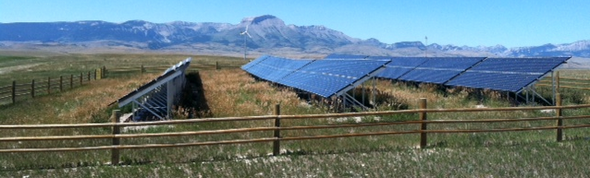
It is a photovoltaic
(PV) system interacting with the utility, with or without batteries,
that uses a relatively new breed of inverters that can actually
sell any excess power produced by your solar array back to the utility
grid. If you are concerned at all about your utility rates going up
and would like to do something to reduce your monthly electric bill,
then a grid-tie solar system may be just the thing for you. These
systems are easy to install and since some do not have batteries for
back-up, the lack of batteries in these systems means no messy
maintenance or replacements to worry about. The solar modules can
be mounted on your roof or out in the yard, where they sit quietly
generating power from the sun that you can either use directly or sell
back to the utility company.
If that sounds pretty interesting, you might want to
look into what it would take to install a grid-tie PV system. The
first thing you should do is contact your utility company to see if it
will allow you to connect a solar system to its electrical grid. While there is
a national law that requires investor-owned utility companies to allow
interconnection of a solar or wind power system, rural electric
cooperatives are exempt from this law. If your utility company
will allow you to connect your PV system to its grid, the next question
to ask is if it will buy the energy back at the retail or
wholesale rate. Ideally you want the utility company to buy back
any excess electricity that you produce at the same retail rate that you
buy electricity. This is called "net
metering" and is the simplest way to setup a
grid-tie PV system. In such a system you only have one utility kWh
meter that spins in either direction, depending on whether you
are buying or selling energy. In a non-net-metered system, the
utility company will require that you install a second kWh meter to
record any excess energy to be sold, and the company only
pays the wholesale rate (usually only a few cents per kWh). To
find out if your state offers "net metering" or any other
incentives for installing a renewable energy system, click on the
following link (www.dsireusa.org).
Remember, a "net metering" law for your state
doesn’t necessarily apply to rural electric cooperatives, so give your
utility company a call before going any further.
|
| Grid-tie
links:
Which Grid-tie inverter is right for
me?
Sample residential
grid-tie system
Sample commercial grid-tie
system
More sample utility-tie power
systems
Insolation Zone map |
The next step is to figure out what size
system will work best for you. This is tricky because it all
depends on how much energy you want the system to produce per day, what
your utility rate is per KwH and of course how much money you want to
spend on a system. Your location is a big factor in determining
how much energy any grid-tie PV system will produce, since everybody
knows that Las Vegas gets a lot more sunshine than Seattle. The
higher your utility rate (¢ per KwH), the more economical a grid-tie PV
system becomes, since you are offsetting expensive energy that you would
have
bought from the utility company with clean free energy from the sun. To
show you how much a grid-tie PV system can save per year on your
electric bill, we have put together a couple of example systems to the
left. Call or e-mail for
more specifics. |
For other power inverters visit the
following links:
* NEW SMA Sunny Boy Batteryless, Transformerless, Grid-tie Inverters,
delivering 1.5 KW of power when the sun is shining
* SMA Sunny Boy Grid-tie Inverters
* PV Powered Inverters
* Enphase Micro-inverters with
Remote Monitoring
* PV Powered Grid-Tie Inverters
* Solectria PV Inverters
* Schneider
Electric (formerly Xantrex) GT Series Grid-Tie Inverters
* OutBack Battery Based
Inverters
* OutBack Power Radian
Inverter
* OutBack
Power sine wave power inverter systems - Stackable inverters of
modular design that have system expandability in mind. visit their
informative web site at
www.outbackpower.com .
Oasis Montana is a proud member of the Montana
Renewable Energy Association.
Click on the logo to visit their site.
***********************
See what our customers are saying about their solar electric power
systems. |